Pulse Now
2025
Planetary Sensing · Embodied Interfaces · Planetary Rhythms
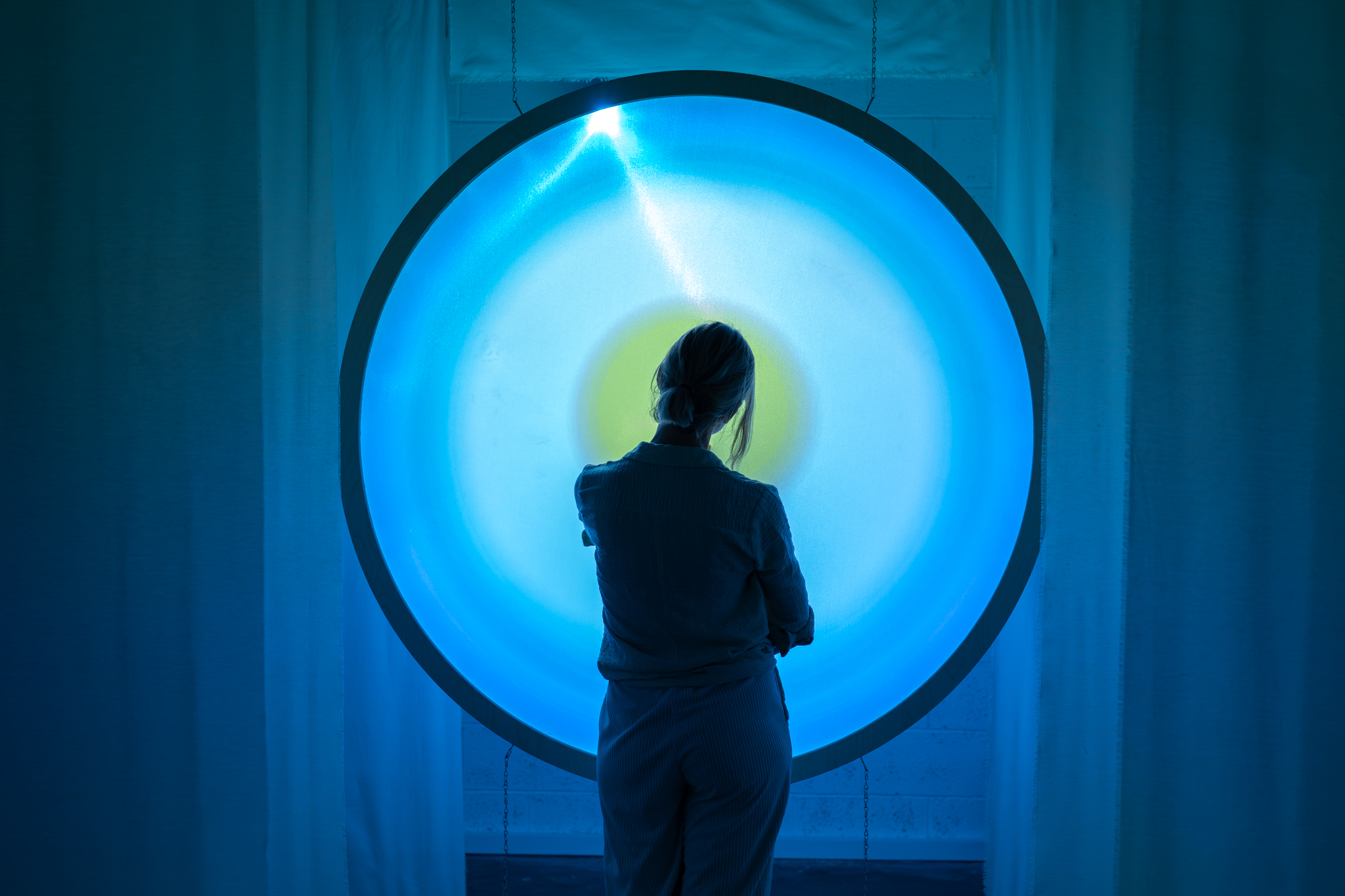
Current Exhibition
Presented in The Circle, Design Museum Holon, 10 September 2026 – 30 March 2027.
In the version presented at Design Museum Holon, the visitor's heartbeat becomes an input to an audiovisual installation that connects individual rhythms with live planetary data. The sections below marked "2025 Residency Version" describe the earlier version developed and shown in 2025.
What does it feel like to belong to a planetary-scale system? How can a single bodily gesture bridge the gap between human time and planetary rhythms?
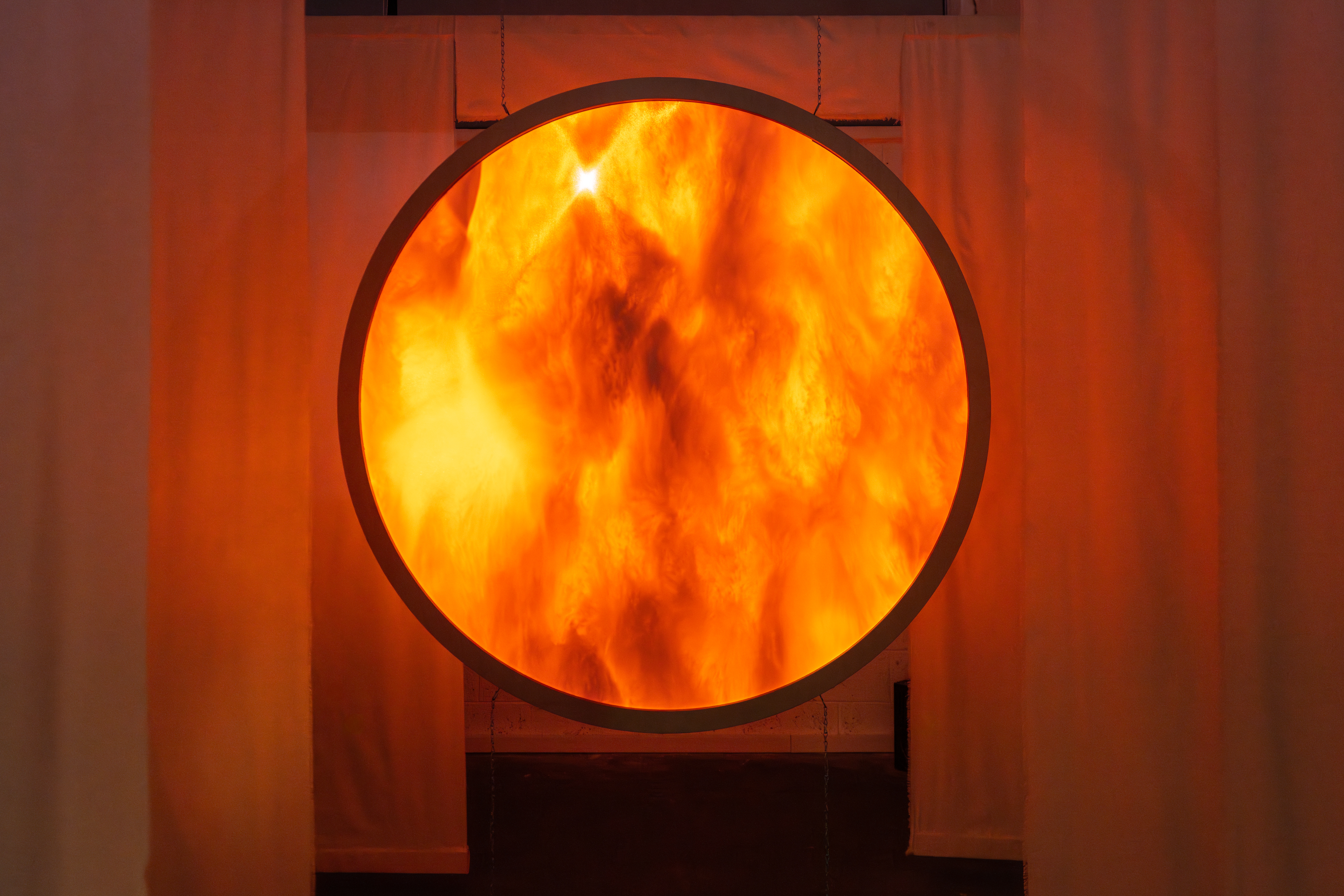
In its 2025 residency version, Pulse Now didn't ask users to monitor their bodies. Instead, it invited them to place one hand on a circular interface and sustain pressure, anchoring themselves to live solar data and Schumann-based sound frequencies. The result was a feedback loop where the user does not control the system, but attunes to it.
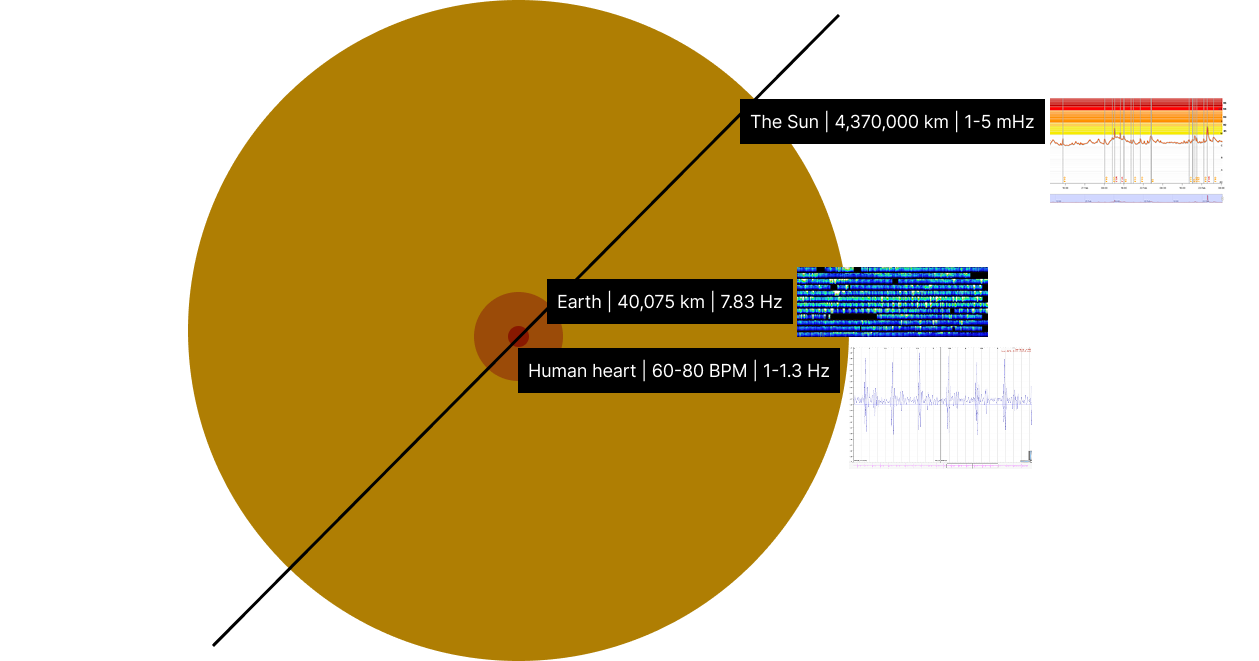
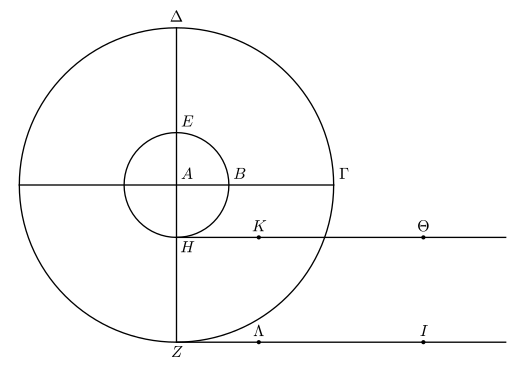
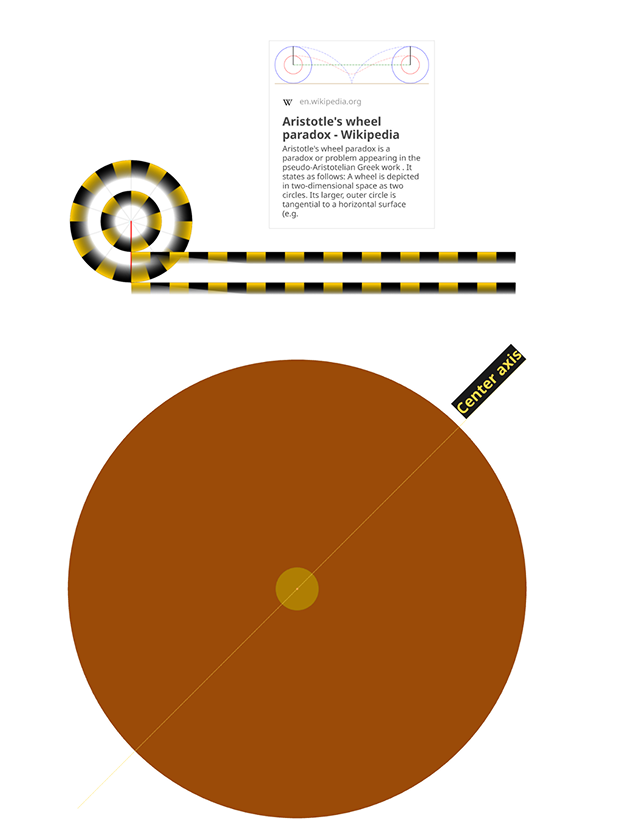
Drawing on Aristotle's Wheel Paradox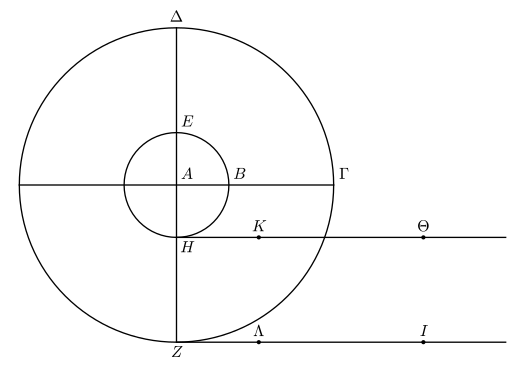 , the work asks how the finite human body (the smaller circle) can align with, and move alongside, vast planetary cycles (the larger circle) by anchoring to a shared axis. Rather than treating the body merely as a source of data, the installation asks how the body can sense its alignment with larger oscillatory fields.
The Experience (2025 Residency Version)
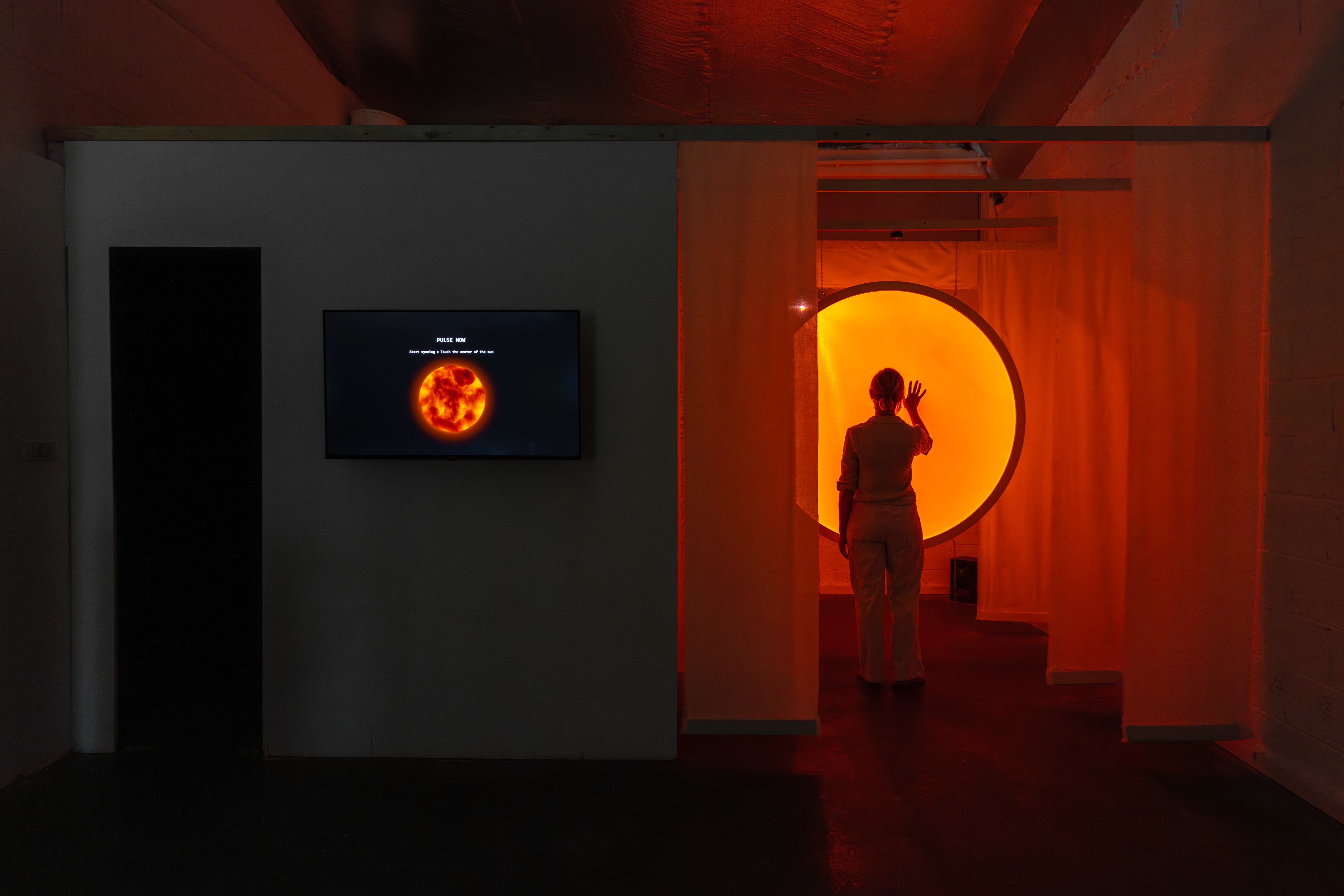
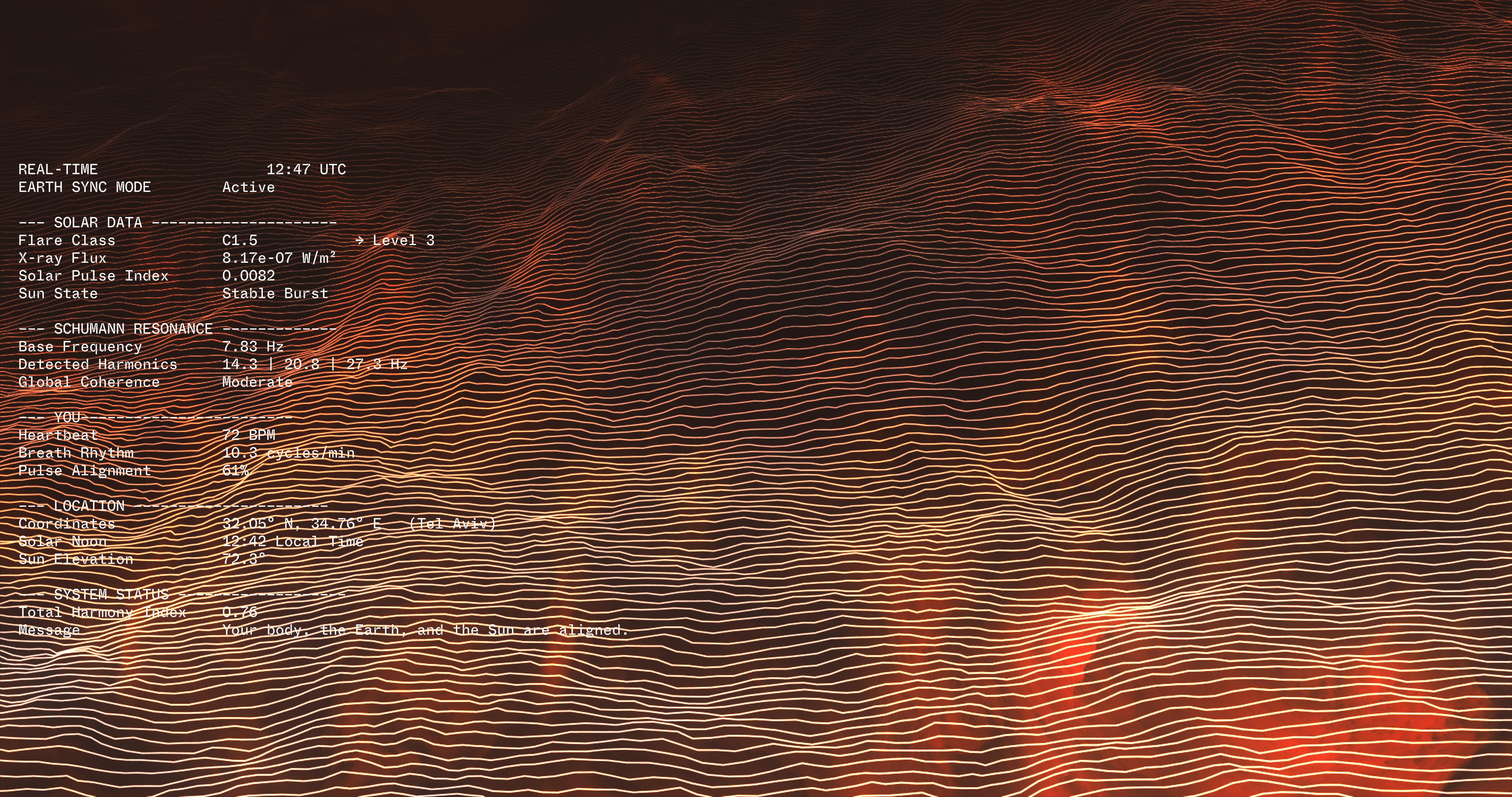
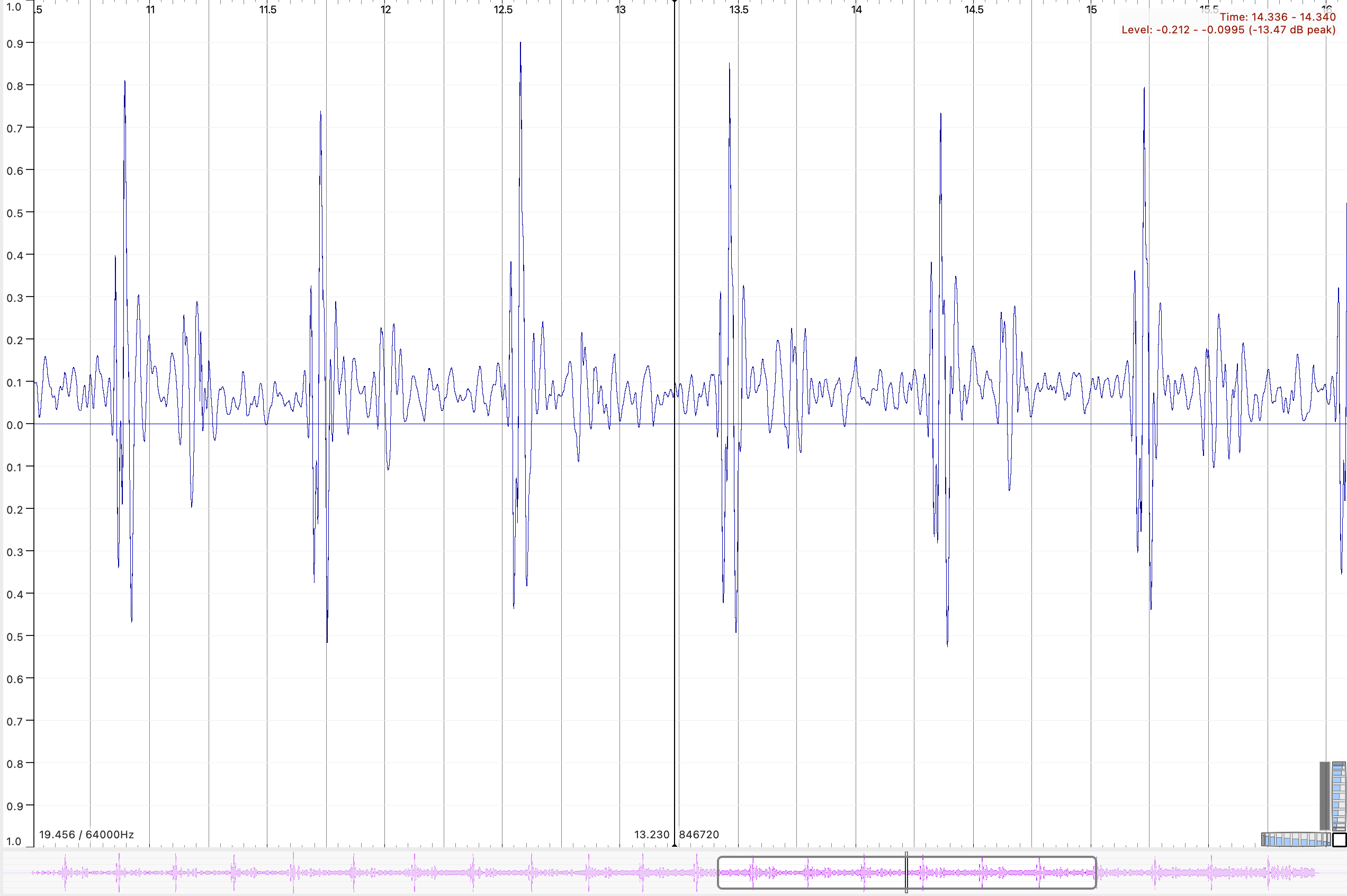
The space is filled with a low-frequency ambient drone derived from live solar wind data and the Schumann resonance (7.83Hz). A side monitor displays these raw data streams in real-time, providing context, while the central interface invites visceral engagement.
Activation: Placing a hand at the center introduces a new rhythmic pulse into the room—an experiential "heartbeat" that counters the ambient drone.
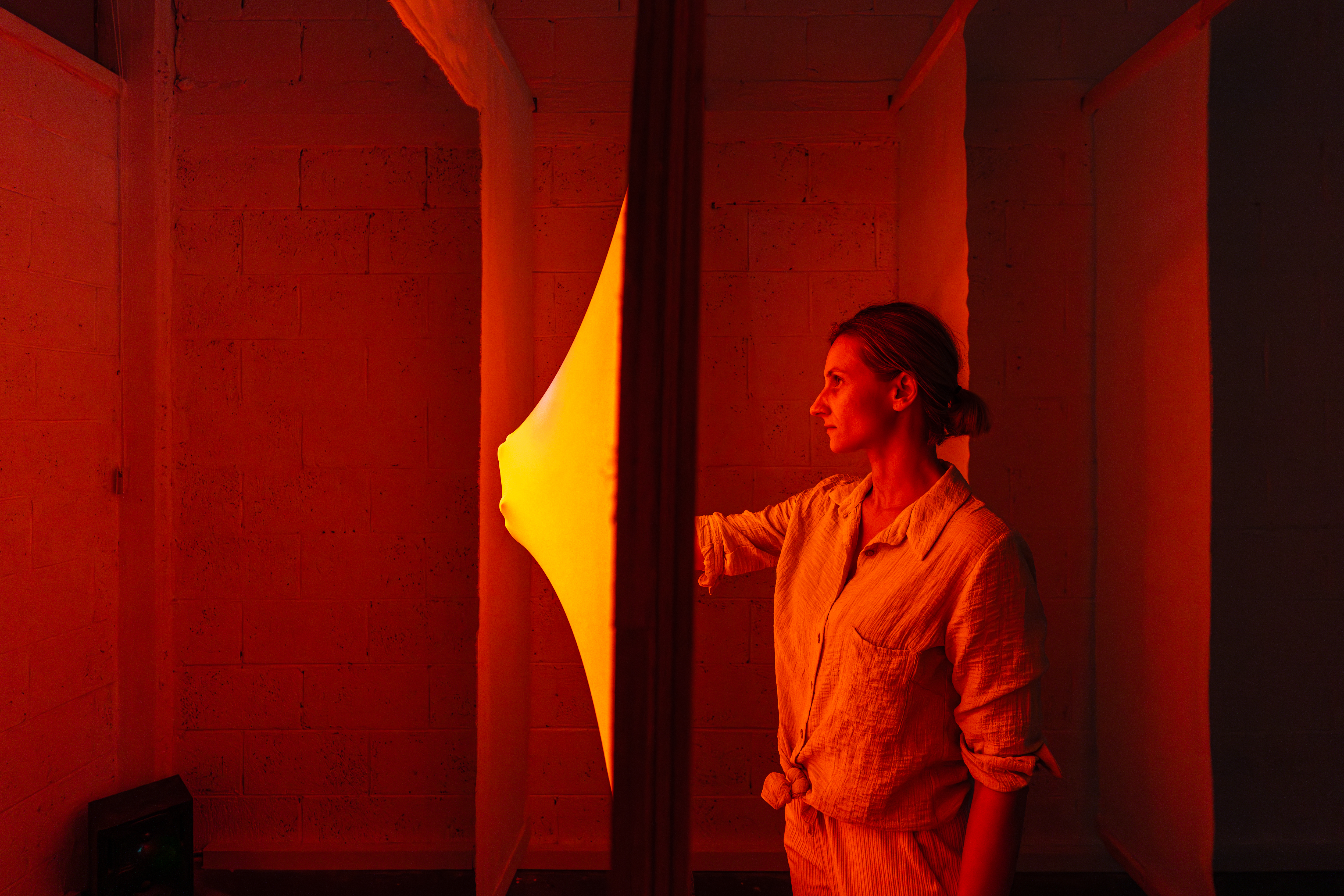
Immersion: As the user sustains physical pressure, the environment responds: lighting shifts temperature and sonic textures deepen, creating a feedback loop of presence.
Synchronization: The interface acts as a frequency clock. It measures the temporal alignment between the user's sustained gesture and the external planetary rhythm. At the conclusion, the system displays a "Synchronization Score" (percentage), quantifying the resonance achieved during the session.
Video
Images
Technical Architecture (2025 Residency Version)
• Sensing: Depth-based gesture recognition (not biometric)
• Data Sources: Live solar flare classification (NOAA/NASA), X-ray flux, Schumann Resonance (7.83Hz harmonics)
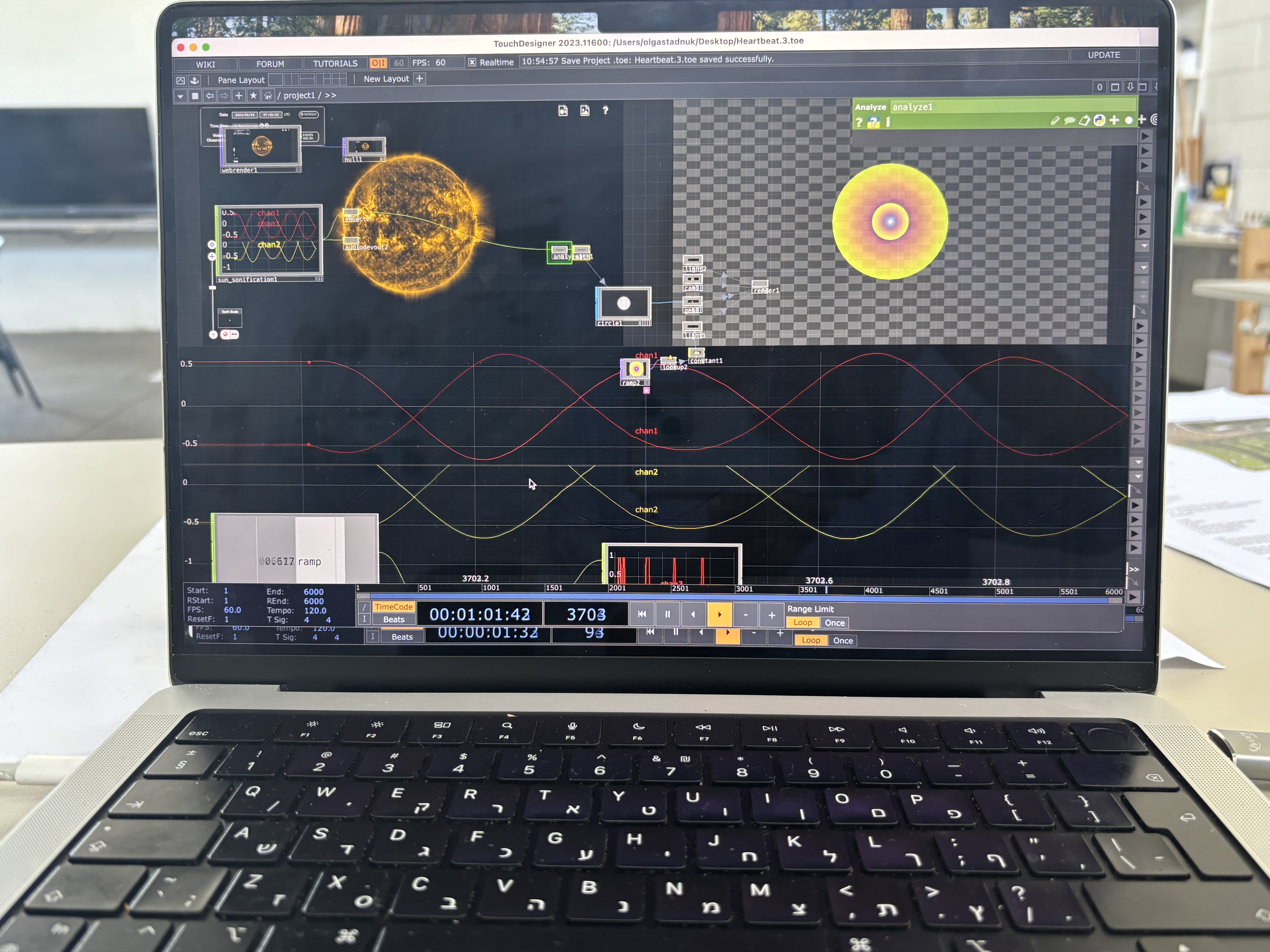
• Visual System: TouchDesigner (Generative field rendering)
• Audio: Procedural soundscape based on solar wind + Schumann frequencies
• Hardware: Custom circular interface, motion sensor
Trajectory & Future Research
Crucially, this project establishes the foundation for my proposed research. Having validated that intentional gesture creates stronger embodiment than passive sensing, I aim to expand this inquiry from individual interfaces to collective, multi-user environments (see Single-Plural Body) that facilitate group synchronization.
Visual Archive
← Scroll horizontally to explore →
Press & Exhibition Documentation
Interview
- Walla Technology: The artist teaching AI to feel (Interview, 14 May 2026)
Exhibition coverage: The Circle
- Portfolio: The Circle exhibition coverage (11 September 2026)
- Photour: The Circle coverage, including a section on Pulse Now (Review by Ronit Svirsky, 5 October 2026)
- Arttelling: The Circle exhibition coverage (24 August 2026)
- PassportNews: The Circle exhibition coverage
Official exhibition documentation
- Design Museum Holon: The Circle (Exhibition page)
Credits
Concept, research, and installation: Olga Stadnuk
Developed during: Rothschild Residency, 2025
Sound: Nir Jacob Yonessi
Photography & Video: Daniel Hanoch