Single-Plural Body
2026
Collective Intelligence · Social Ritual · Embodied Presence
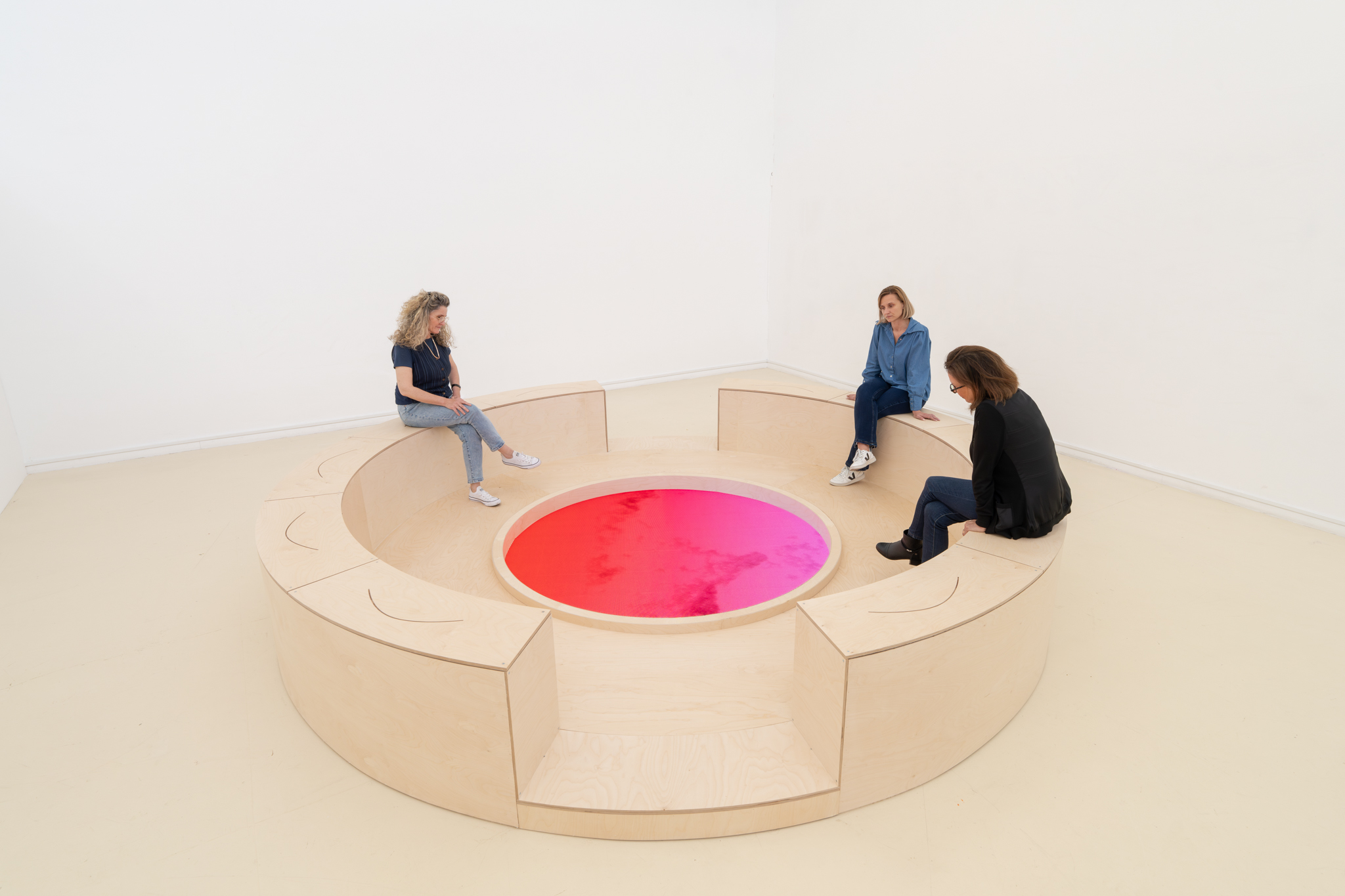
Installation view, Herzliya Museum of Contemporary Art, 2026. Photo: Daniel Hanoch
Concept & Process
The Inquiry: From Individual to Collective
This project represents the next phase of my research trajectory, extending the findings of Pulse Now. While the previous work examined how an individual connects to a planetary rhythm, Single-Plural Body shifts the scale outward, asking: how can a gathering of strangers, entering as separate bodies, briefly function as a single, shared organism?
The Interface: The Well
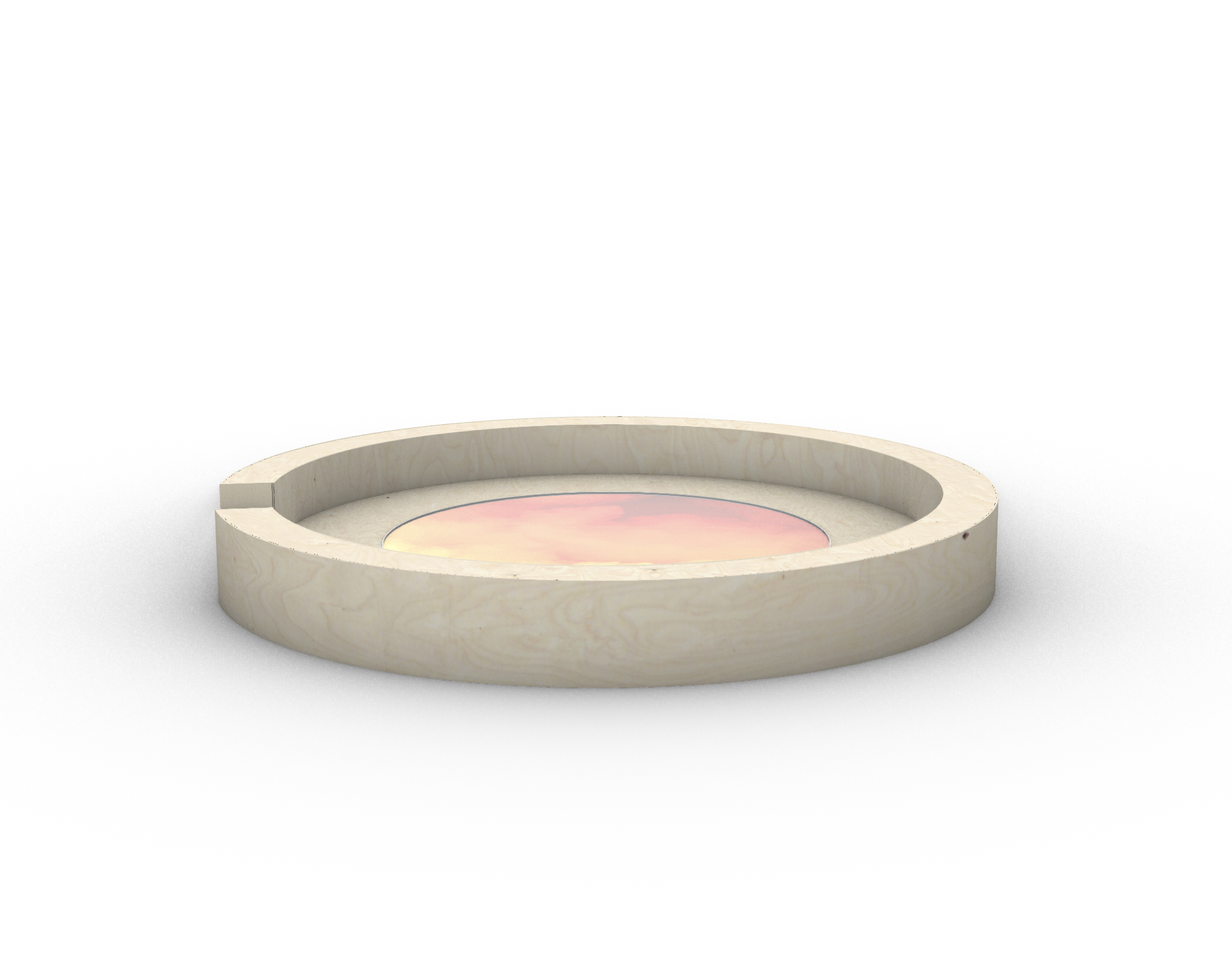
At the center of the installation sits a wide, low circular well, an architectural archetype of gathering and transition. Here, the well functions not as a passive object, but as a listening interface. It investigates "Emergent Coherence": can a technological environment induce social synchrony, shared breath, stillness, and micro-movement, without explicit instruction?
Proposed Experience
The Feedback Loop
The installation acts as a mirror for group dynamics.
Incoherence: When the group is restless, fragmented, or dissonant, the visual environment inside the well remains turbulent and chaotic.
Attunement: As the group settles into shared stillness or rhythmic breathing, the visual field organizes into a synchronized pattern. This creates a subtle feedback loop: the group sees their collective state formed in real-time, encouraging them to maintain the coherence.
Technical Architecture
Proposed System Logic
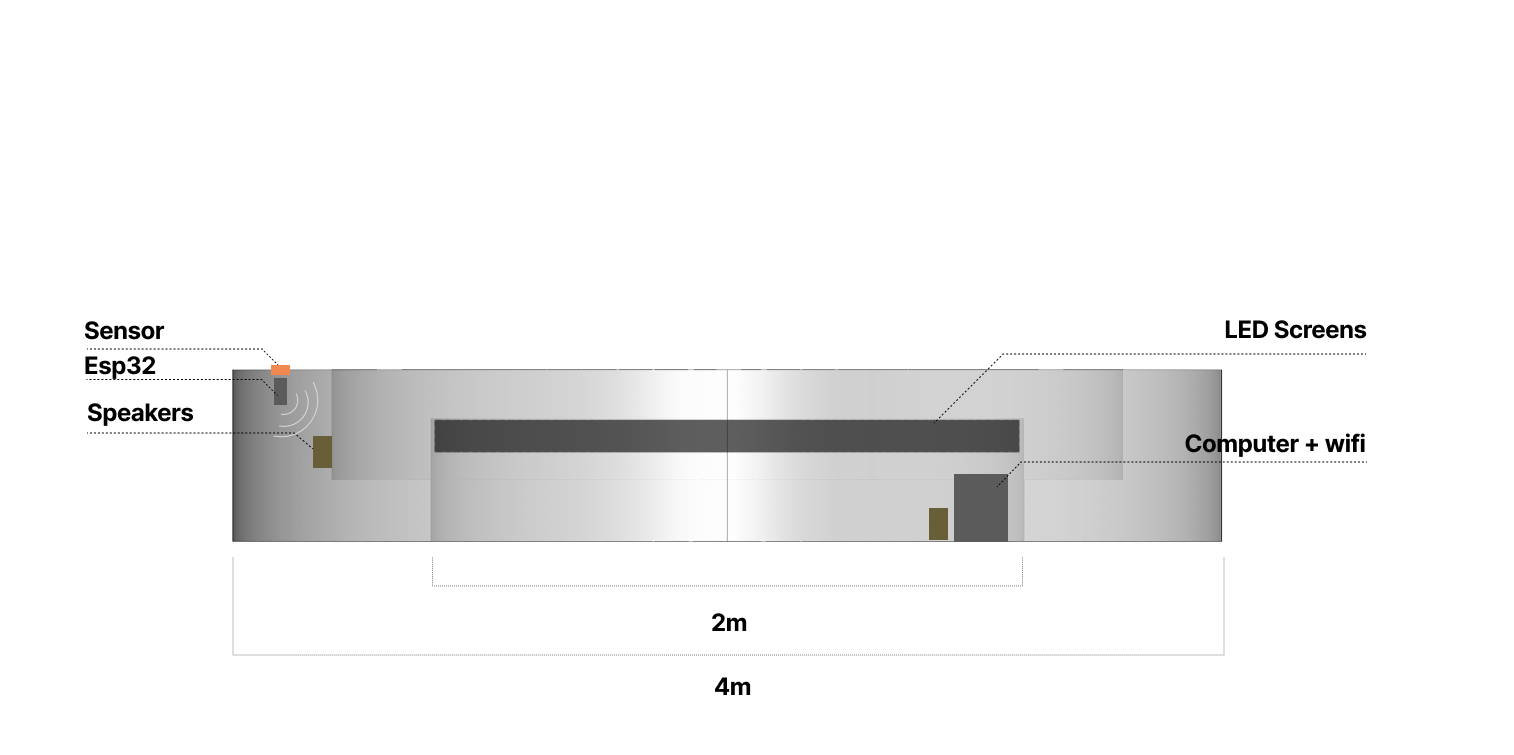
The installation operates as a multi-user instrument that listens to the "negative space" between bodies. Instead of tracking individuals via surveillance, a Distributed Sensing Array embedded in the perimeter seating aggregates distinct inputs, occupancy, movement density, micro-vibrations, and proximity, into a single collective value.
The "Breathing" Algorithm
The computational core (TouchDesigner) runs a behavior model based on Swarm Logic. It scans for "Thresholds of Coherence", moments when individual noises harmonize into a collective pattern. The system continuously asks: Is this a collection of individuals, or is it a cohesive group?
Theoretical Framework
Research Foundation
The project's logic is grounded in interdisciplinary research spanning ecology, biology, and collective behavior:
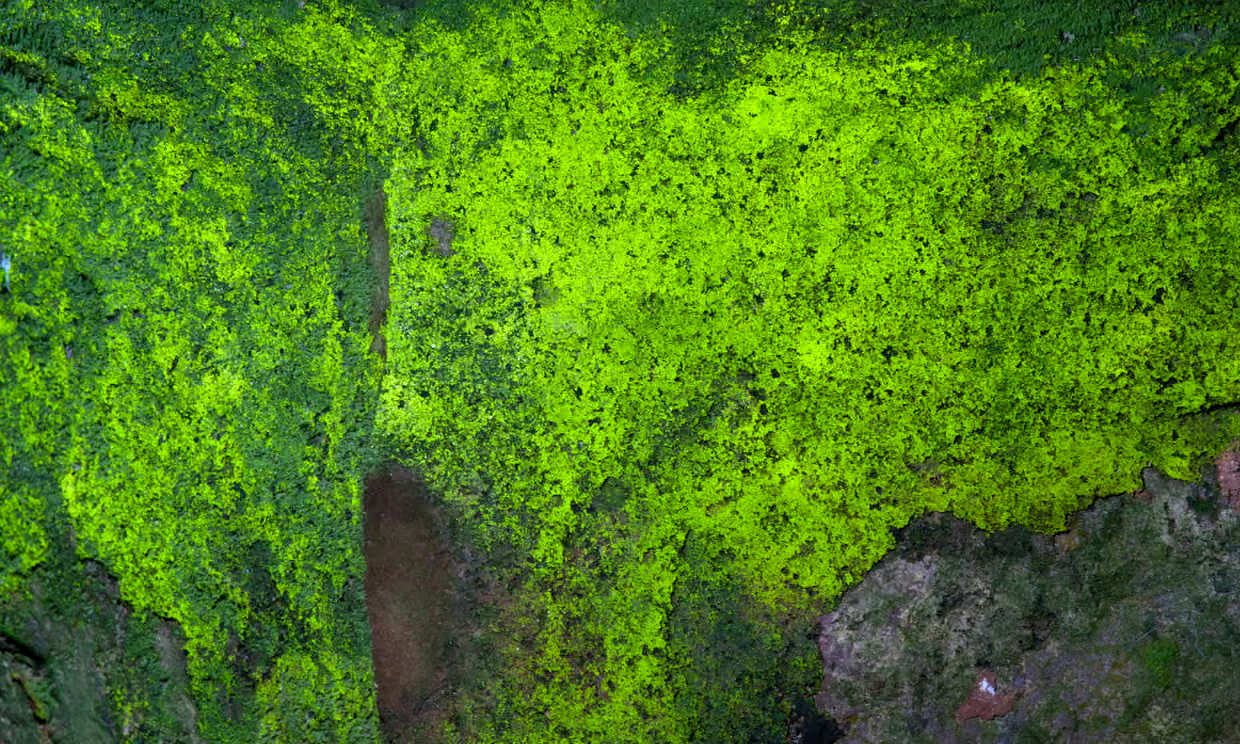
Ecological Models: Robin Wall Kimmerer on mosses as a model for cooperative life
The Guardian, 2021
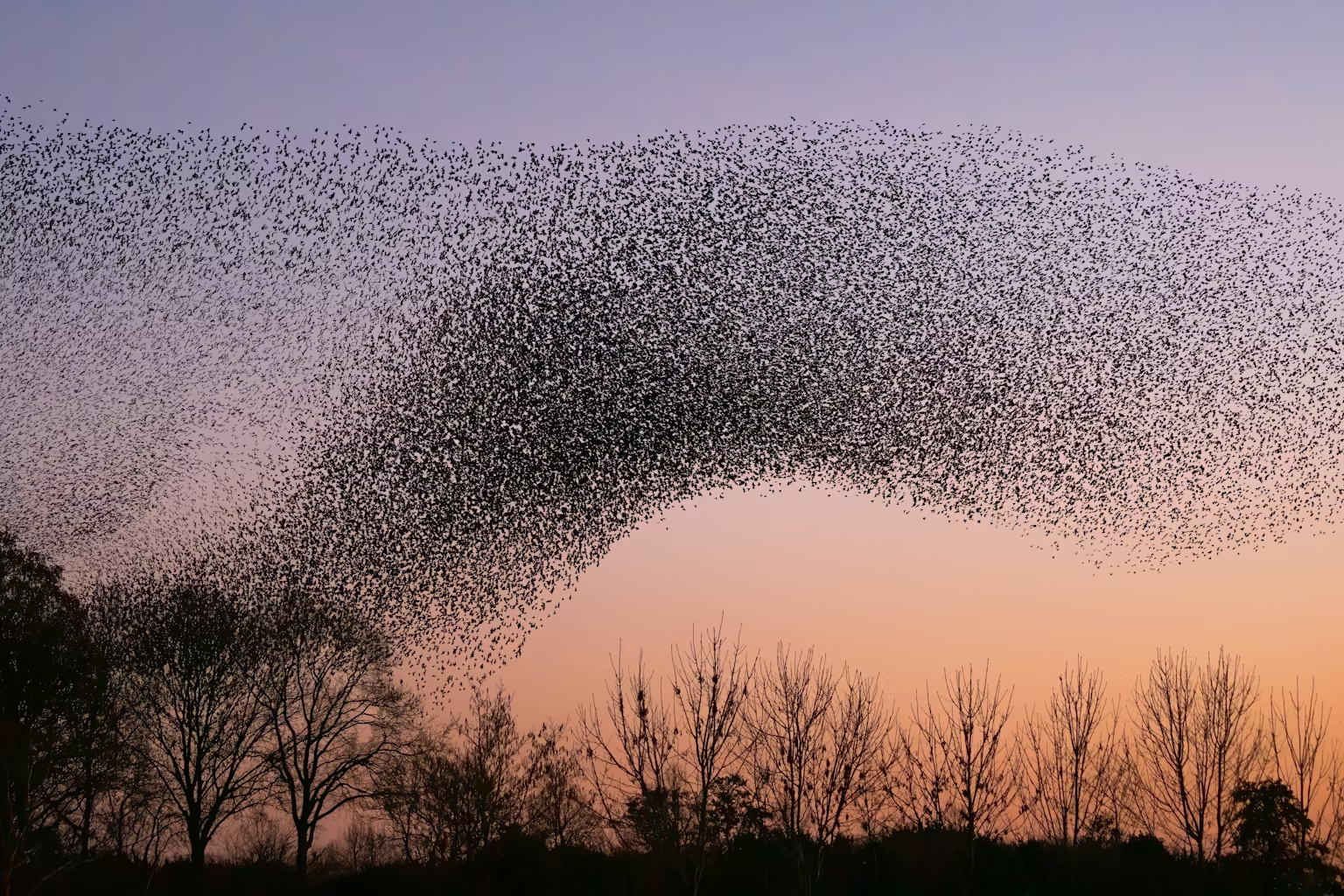
Swarm Intelligence: Understanding decentralized decision making through biological swarms
The Conversation, 2023
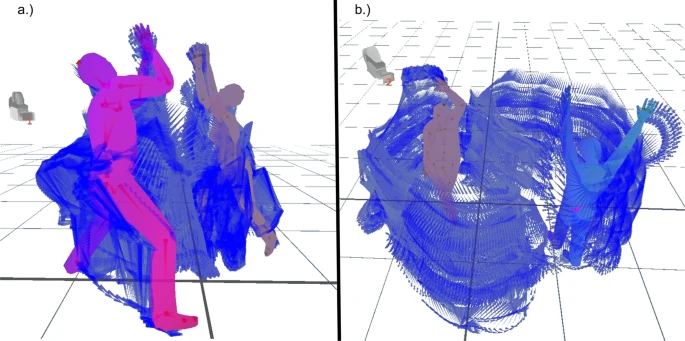
Physiological Synchrony: Research on how shared proximity induces neural and respiratory coupling
Scientific Reports, Nature, 2019
Installation Views
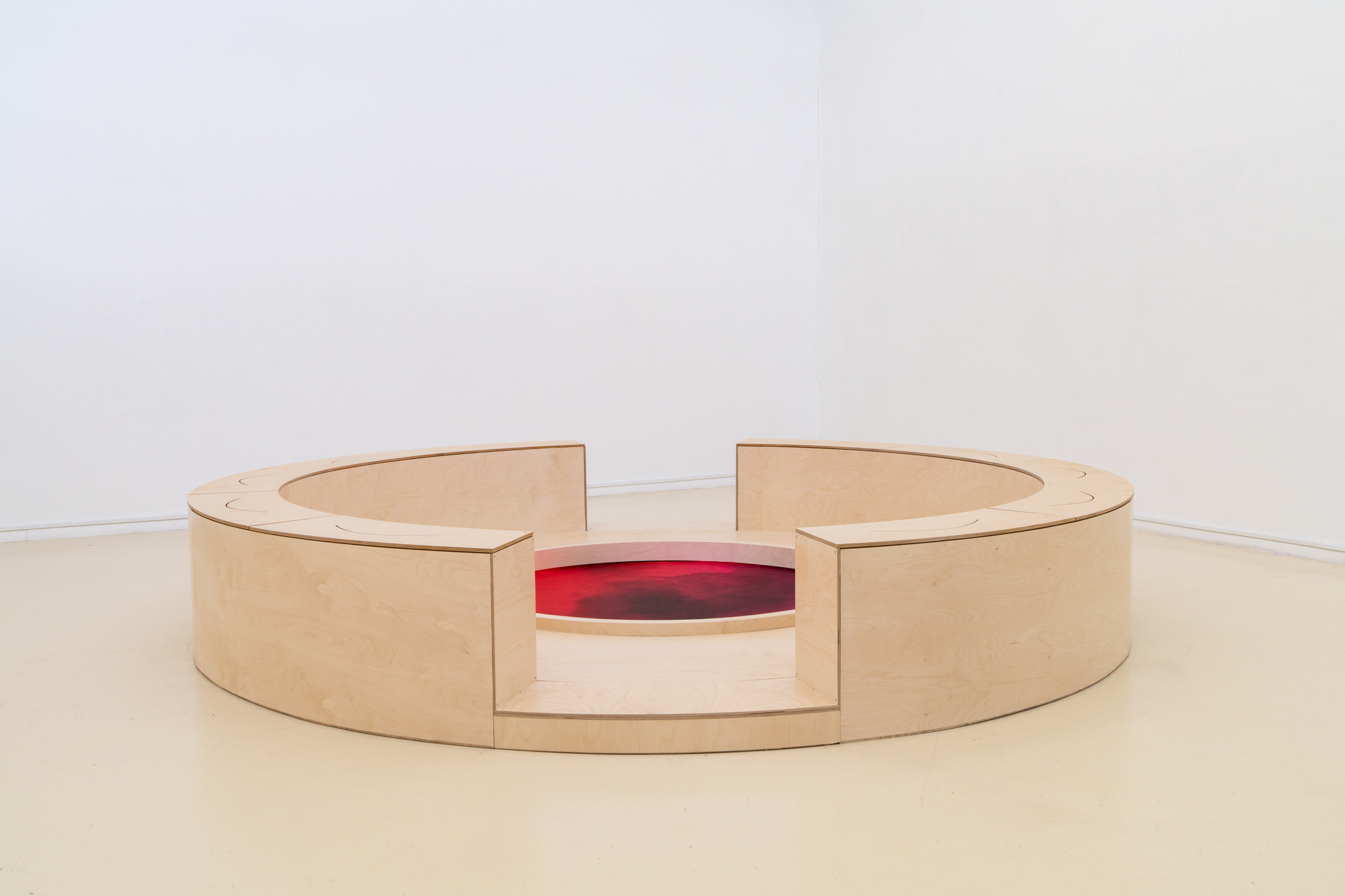
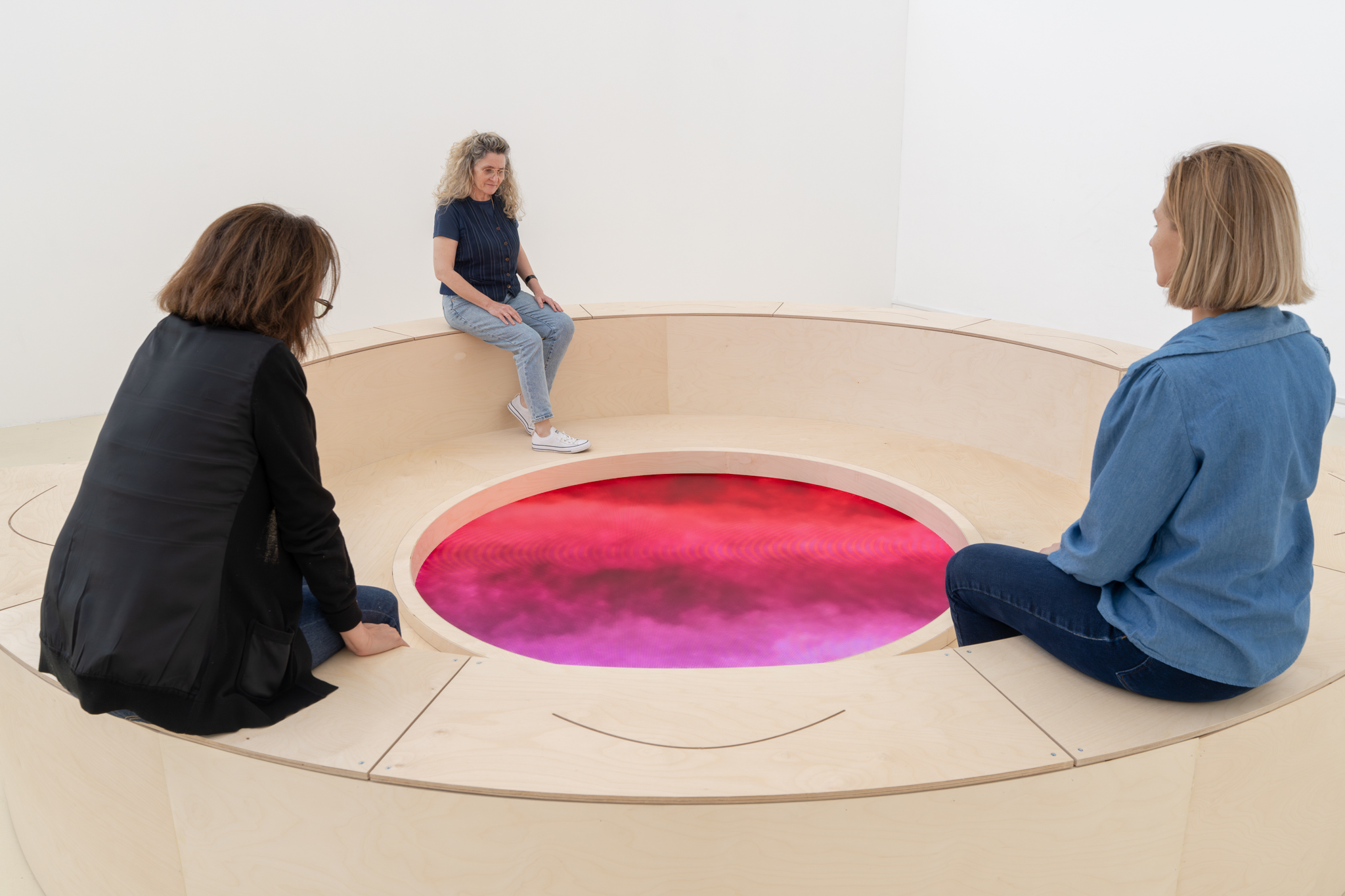
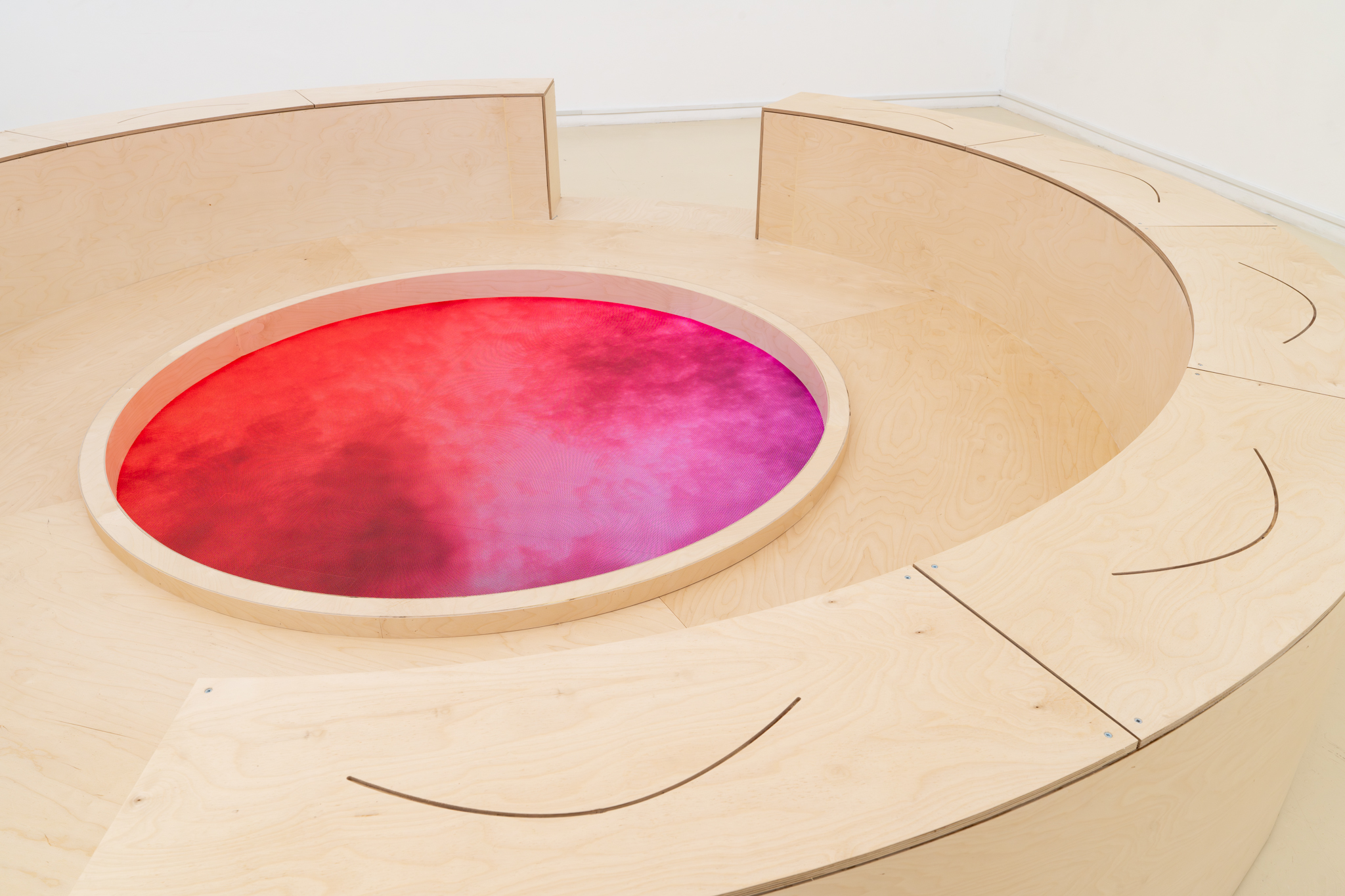
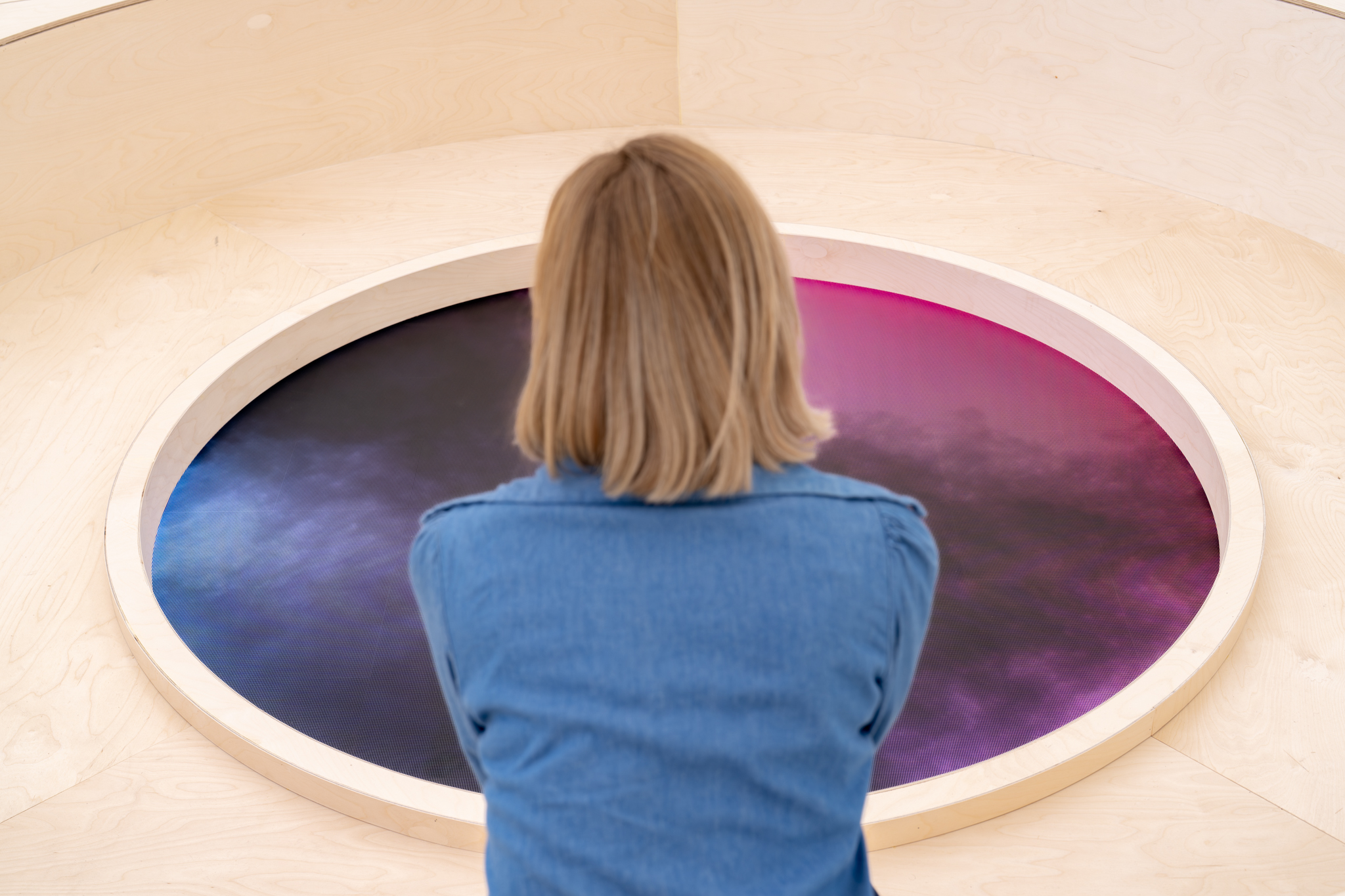
Herzliya Museum of Contemporary Art, 2026. Photos: Daniel Hanoch
Process & Visual Research

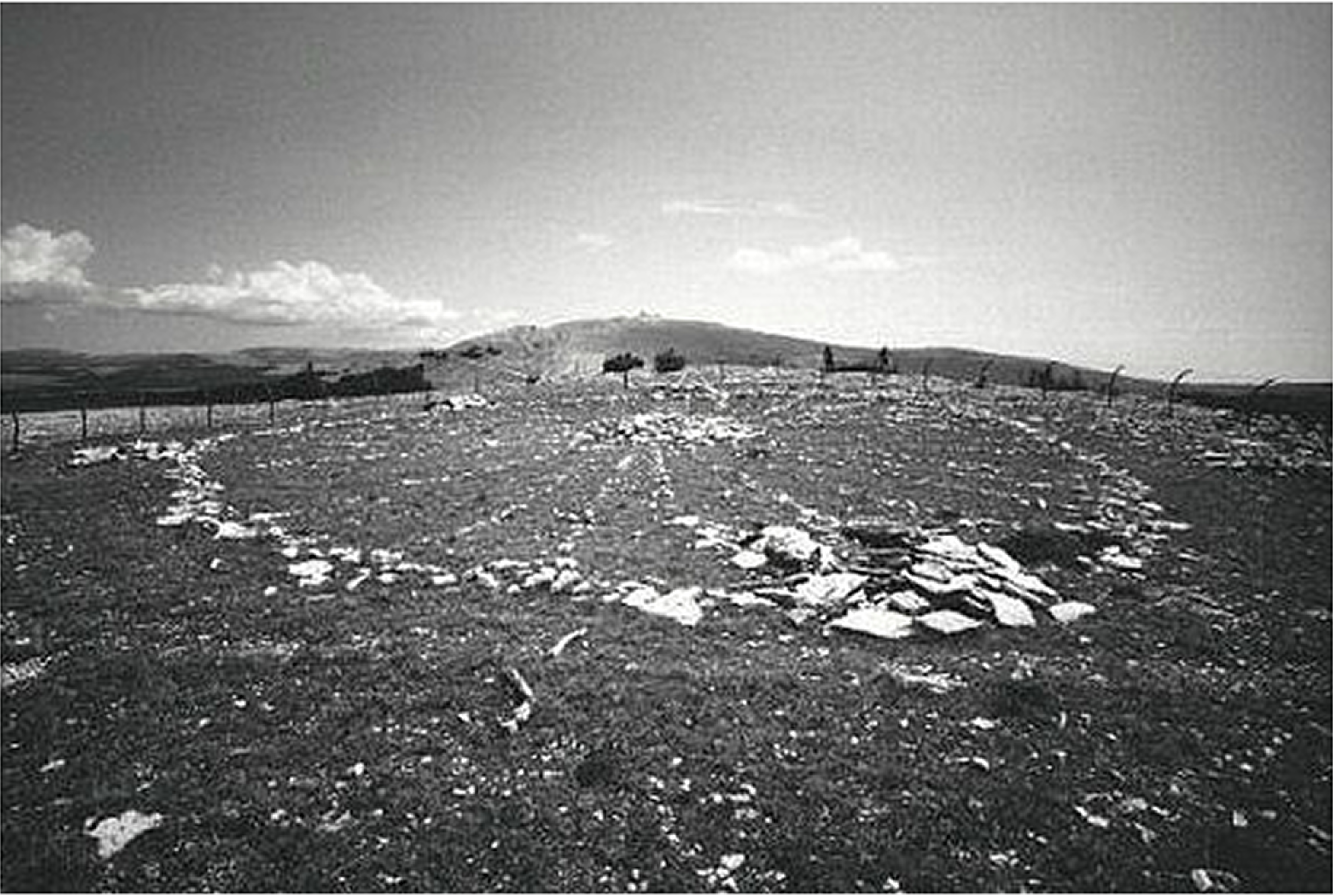
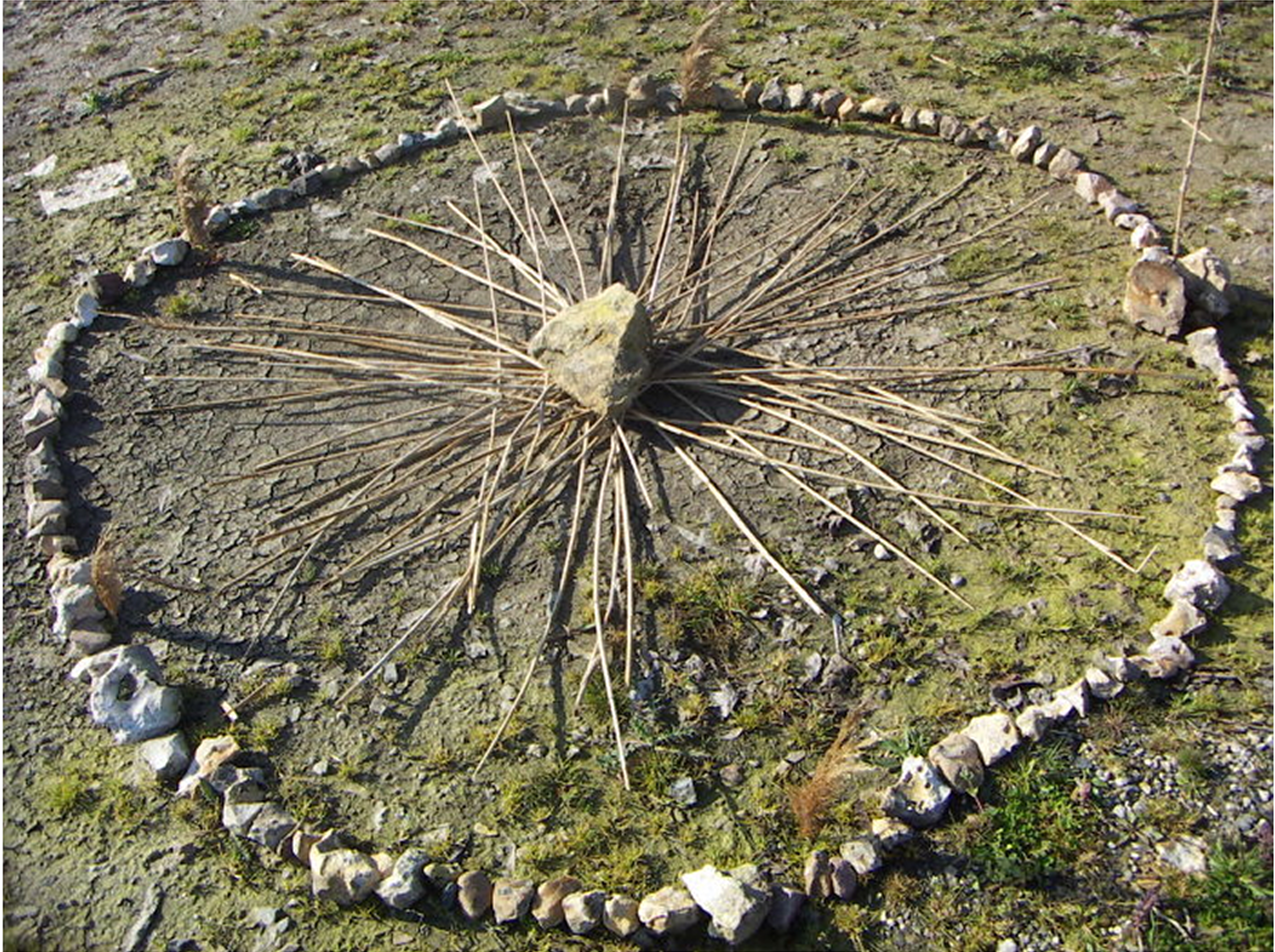
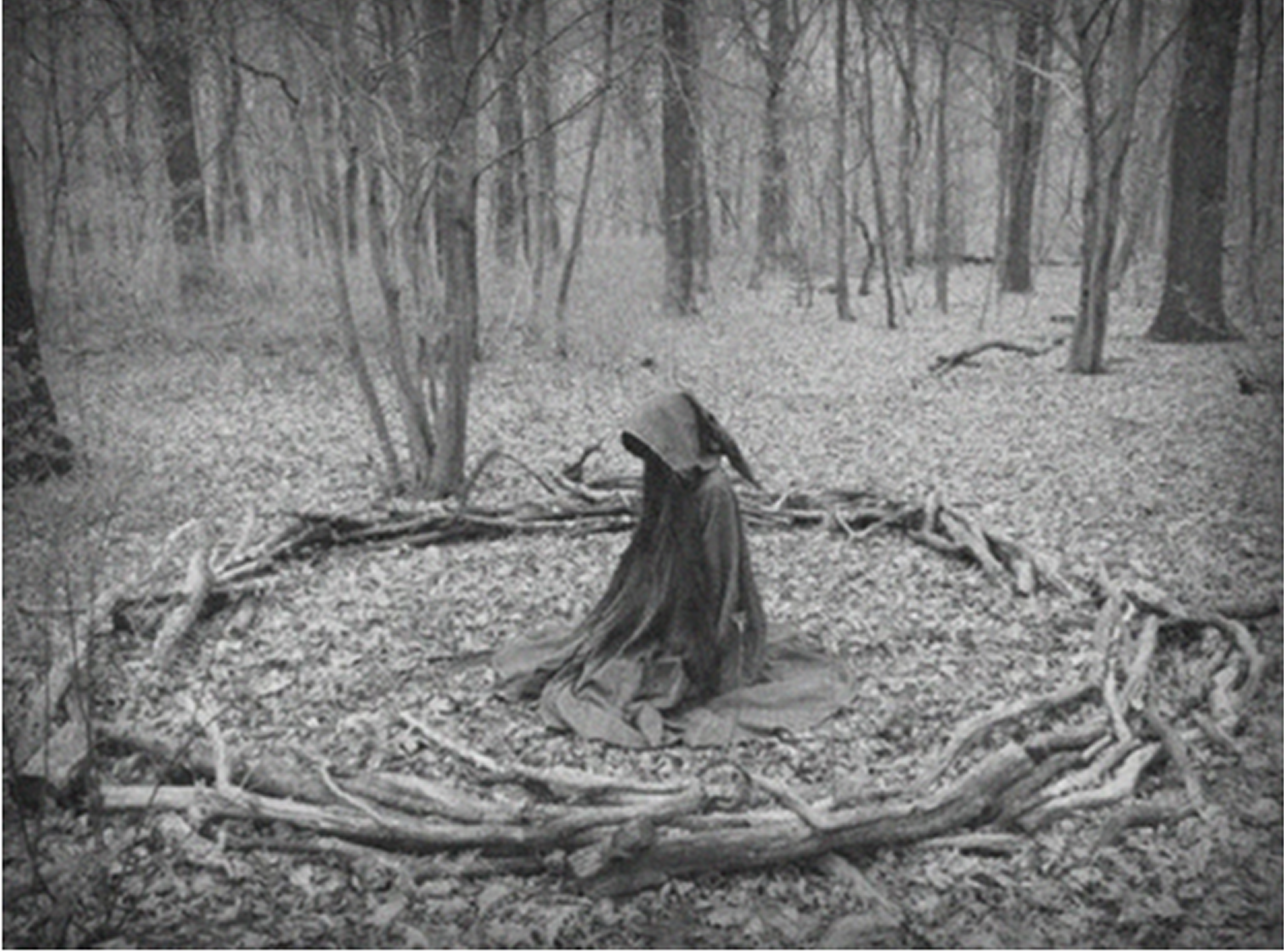
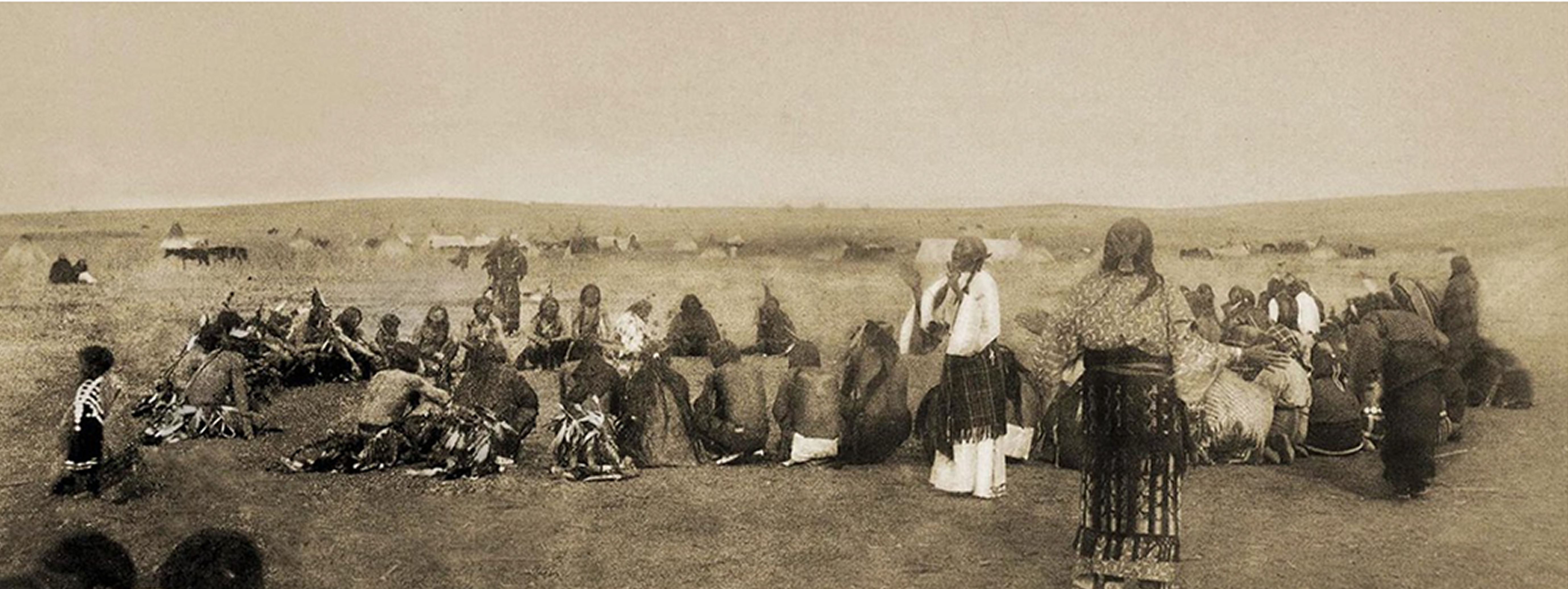
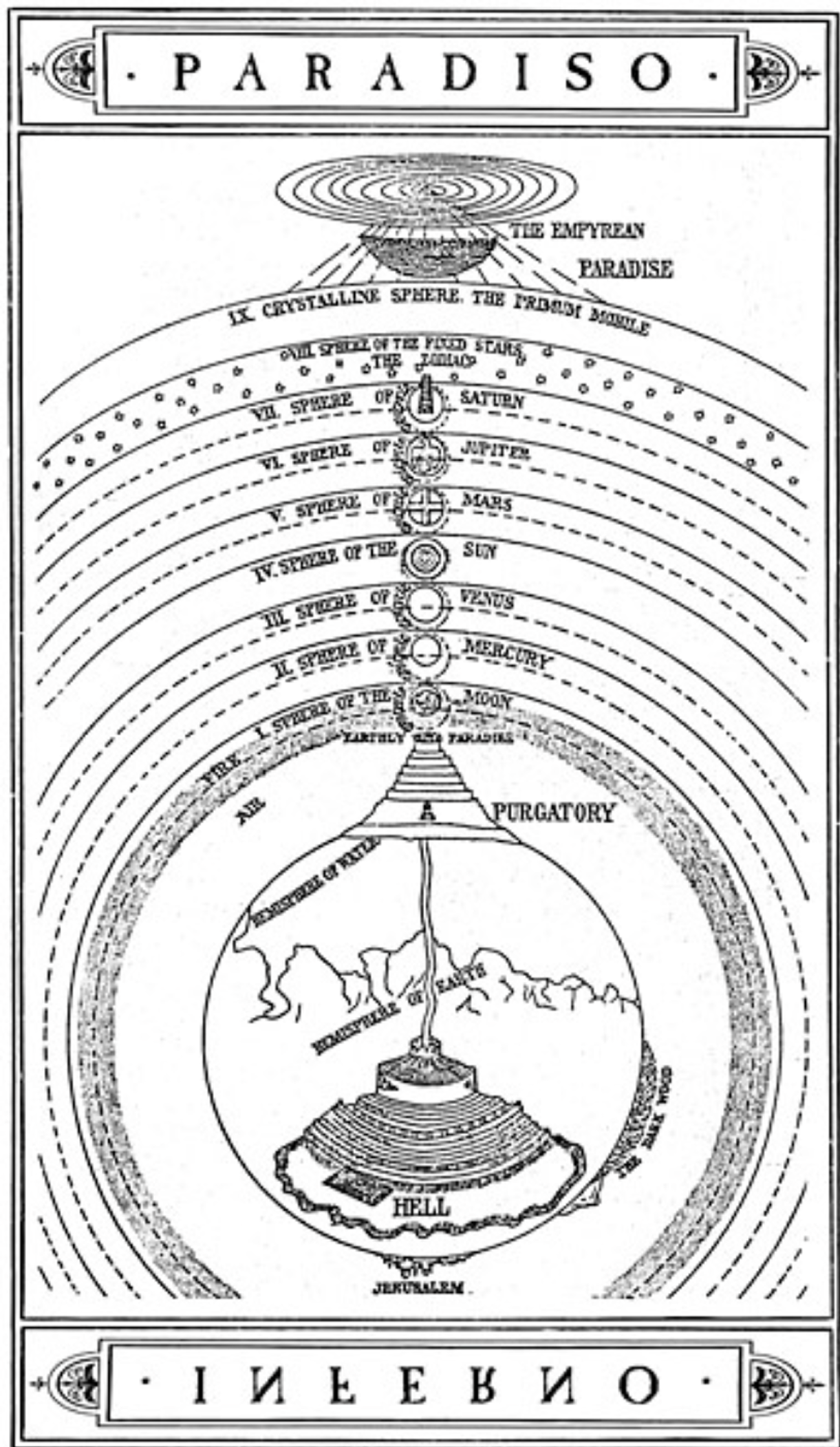
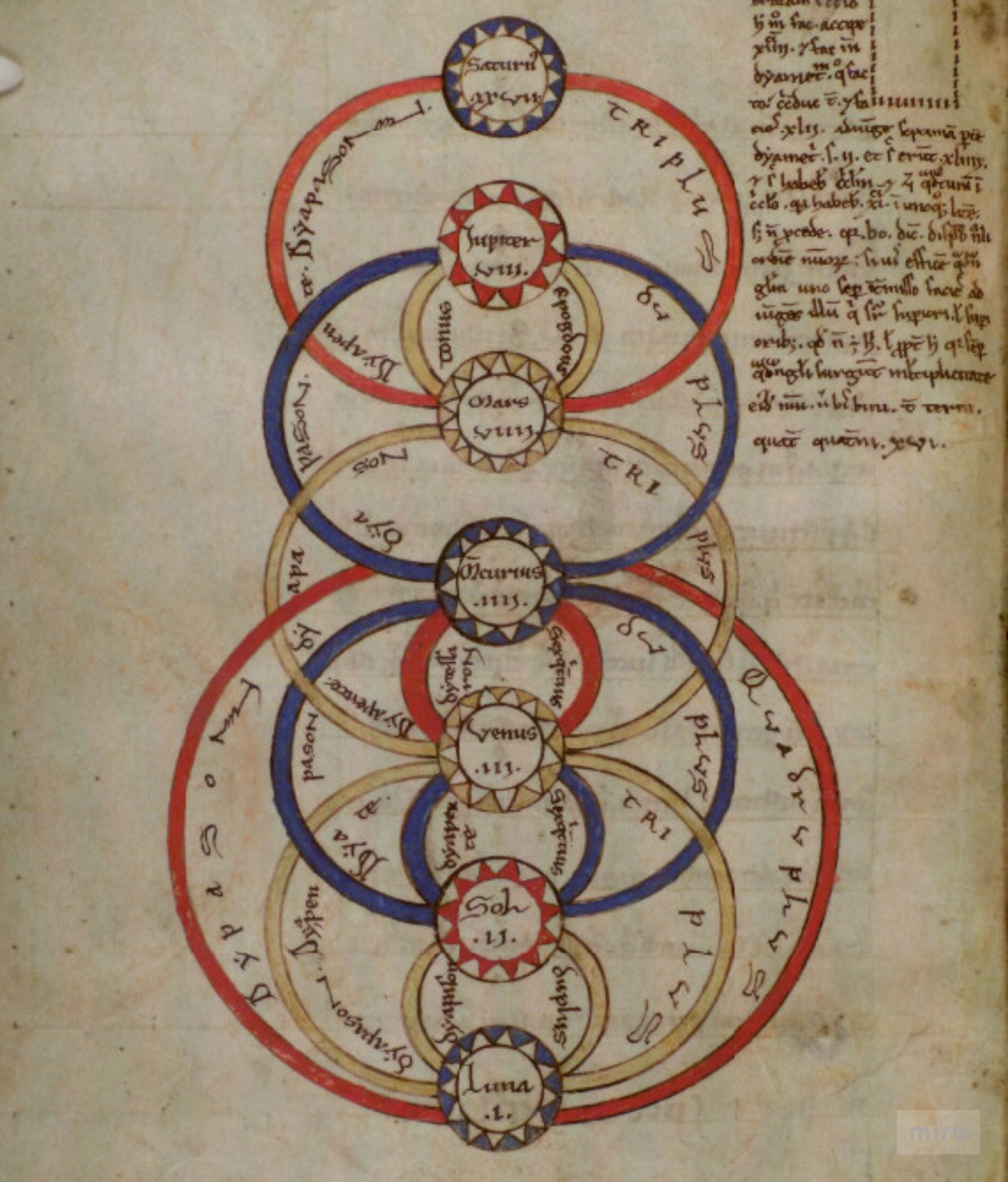
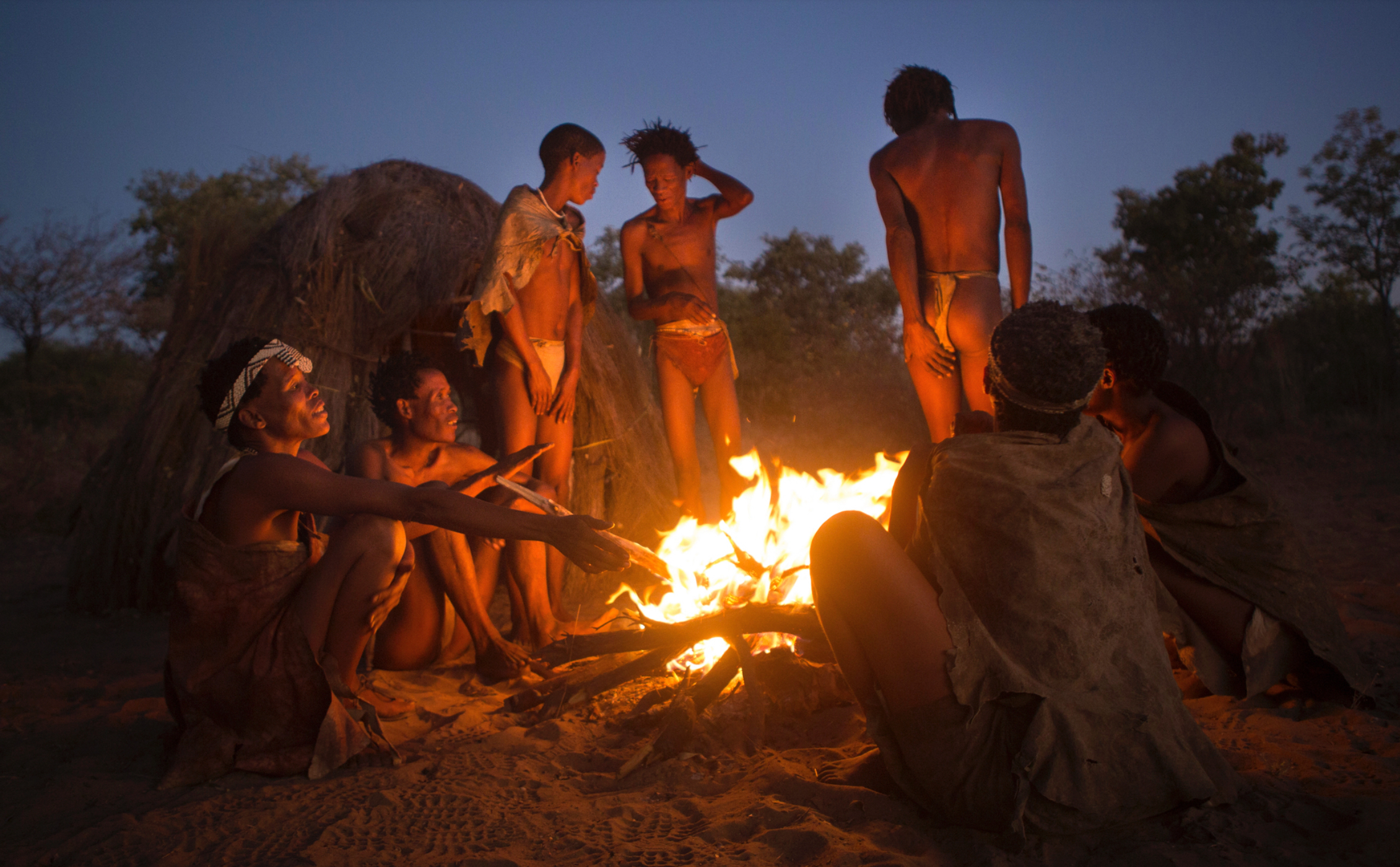
Visual research on mythological wells, ritual circles, and swarm formations
← Scroll horizontally to explore →
Development & Exhibition
Prototype & Research Phase
During the conceptual development phase, key challenges addressed included:
- Interaction Design: Defining the mapping between "crowd density" and audiovisual generation.
- Architectural Simulation: Testing the scale and ergonomics of the circular seating.
- Sensor Strategy: Evaluating non-invasive sensing technologies (capacitive vs. optical) to detect subtle human presence.
Exhibition
Exhibited in Five Gazes Backwards, Herzliya Museum of Contemporary Art, 29 April – 4 July 2026. Curated by Noga Litman and Inbal Reuven, in collaboration with the Edmond de Rothschild Center.
Press & Exhibition Documentation
Interview
- Walla Technology: The artist teaching AI to feel (Interview, 14 May 2026)
Reviews & critical writing
- Haaretz: Five Gazes Backwards exhibition review (Review by Avi Pitchon, 25 June 2026)
- Bezalel: Myth Pursues Myth (Critical essay on the exhibition by Avishai Rubin, 7 June 2026)
Exhibition coverage: Five Gazes Backwards
- Portfolio: Creating a Future (and a Past): Five Gazes Backwards at the Herzliya Museum (Exhibition feature, 25 May 2026)
- Arttelling: Five Gazes Backwards exhibition coverage (19 April 2026)
Official exhibition documentation
- Herzliya Museum of Contemporary Art: Five Gazes Backwards (Exhibition page)
- Edmond de Rothschild Center: Five Gazes Backwards (Exhibition page)
Credits
Concept, Research & Design: Olga Stadnuk
Curators: Inbal Reuven & Noga Litman
Produced with support from: Herzliya Museum of Contemporary Art
Supported by: Edmond de Rothschild Center